
The Practical Guide
Men's Formal Shirt Style Guide
Twelve short lessons, with checklists, on choosing, wearing and caring for formal shirts. Read it in order, or jump straight to the question you have today.
How to choose the correct shirt fit
Start with what cannot easily be altered: the shoulders and the collar. Find the size where both are right, then choose the silhouette — slim, tailored, regular or contemporary — that gives you a clean line through the body without pulling.
Try the shirt seated and with arms raised, not only standing still. If you fall between two fits, choose the roomier one; a tailor can take in a waist but cannot add fabric at the chest.
- Buttons lie flat when seated
- Arms move without the body pulling up
- Small fold of fabric at the waist when tucked
- Horizontal creases radiating from buttons
- Billowing fabric above the belt
How to identify a well-fitting shoulder
Look in a mirror, face on. The shoulder seam should sit exactly at the edge of your shoulder — where the bone ends and the arm begins. Feel for the bony point at the top of the arm; the seam should be on it or a fraction beyond.
A seam that sits inside the shoulder will pull across the upper back and restrict movement. A seam that droops down the arm makes the shirt look too big however well the body is tapered.
How a formal shirt collar should sit
Fastened, the collar should touch the neck all round without pressing. One finger should slide in easily; two fingers is the upper limit. From the back, the collar should stand about a centimetre above the jacket collar.
The points should rest on the chest without curling, and be long enough to stay under the jacket lapels. Collar stays help. Remember that cotton shirts can shrink a little in the first washes, so a collar that is tight in the shop will likely feel tighter later.
- One finger fits inside the fastened collar
- Collar visible above the jacket at the back
- Points rest flat on the chest
- Fabric bunching under a tie knot
- Gap between collar and neck
Choosing the right sleeve length
With your arms relaxed at your sides, the cuff should end where the hand meets the wrist — roughly at the base of the thumb. Bend your elbow: the cuff should not slide far up the forearm. Under a jacket, about one centimetre of cuff should show.
The cuff itself should be snug enough not to slip over the hand, with a little room for a watch on the wrist that wears one.
Understanding shirt proportions
Proportion is about balance between the shirt and you. Collar size should relate to the face and neck — larger frames can carry larger collars and wider spreads; slighter frames look best in more modest collars. Pattern scale follows the same idea: bold stripes and big checks suit taller, broader builds; finer patterns suit slighter ones.
Length matters too. A tucked shirt needs enough length to stay put; an untucked shirt should end around the middle of the trouser fly. On shorter frames, a tonal belt and a shirt close in value to the trousers keep the line long.
Taller or broader
- Spread collars, longer points
- Bolder stripes, larger checks
- Regular or tailored fits
Shorter or slighter
- Point or semi-spread collars
- Fine stripes, micro checks
- Slim or tailored fits
Selecting appropriate shirt colours
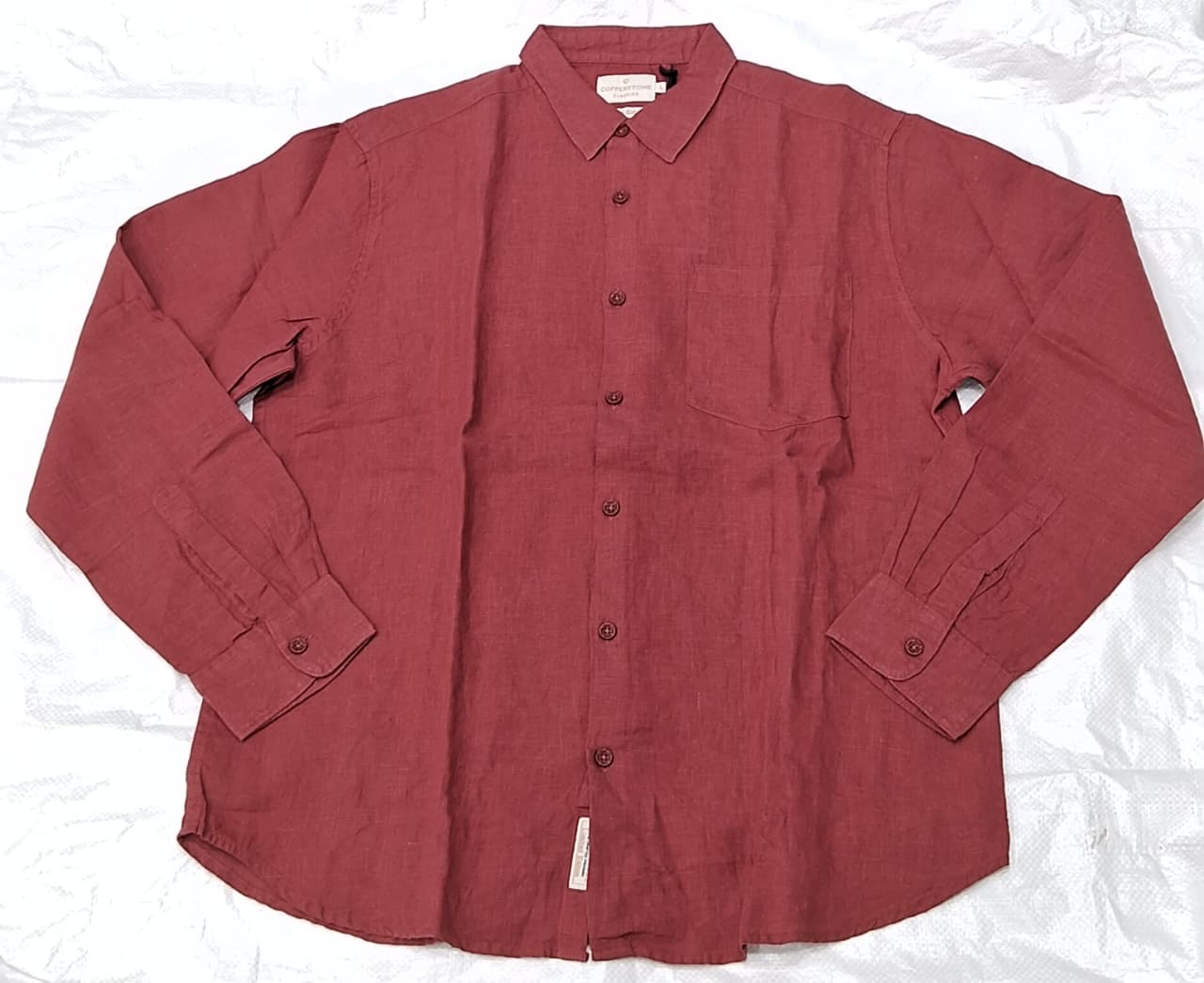
Build on white and light blue; they suit almost every complexion, occasion and dress code. Add pale pink, lilac or soft grey for variety, and keep deep or bright colours for creative workplaces and evenings.
Consider contrast with your complexion: those with strong contrast between hair and skin tend to suit crisp, high-contrast combinations; those with softer contrast often look best in gentler, muted shades. Always judge colour in daylight, near your face.
Matching shirts with formal trousers
Keep the shirt lighter than the trousers in most professional settings. Navy and charcoal trousers accept almost any light shirt; grey trousers work best with blues and whites; beige and stone with blue, white, navy and olive; black with white and cool, pale shades.
Match the belt to the shoes, and keep the trouser waist at a height that lets the shirt tuck smoothly.
| Trouser | Shirt |
|---|---|
| Navy | White, light blue, pink, stone |
| Charcoal | White, light blue, lilac |
| Grey | White, blue, navy |
| Beige | White, blue, navy, olive |
| Black | White, pale grey |
Choosing patterns for professional environments
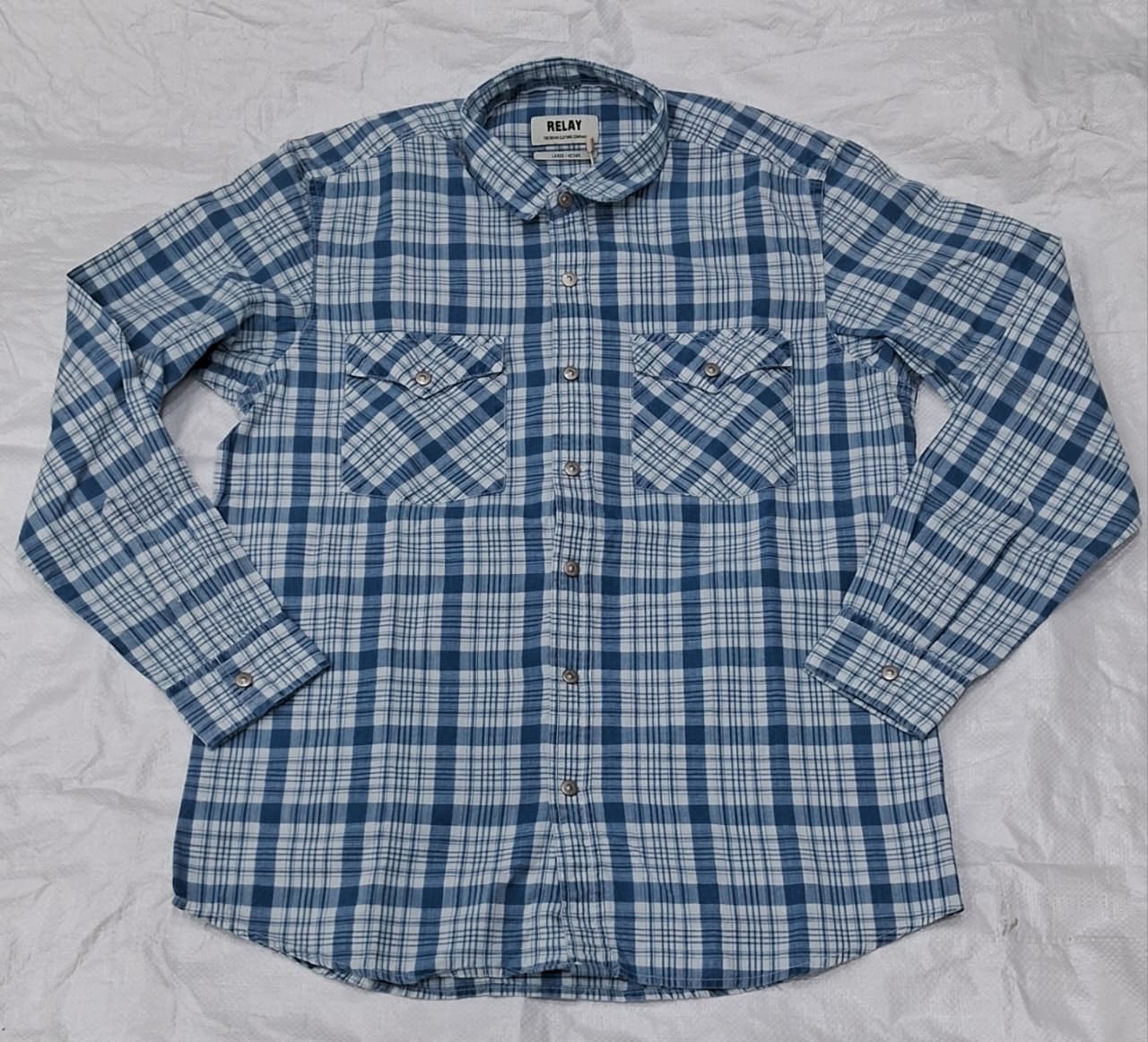
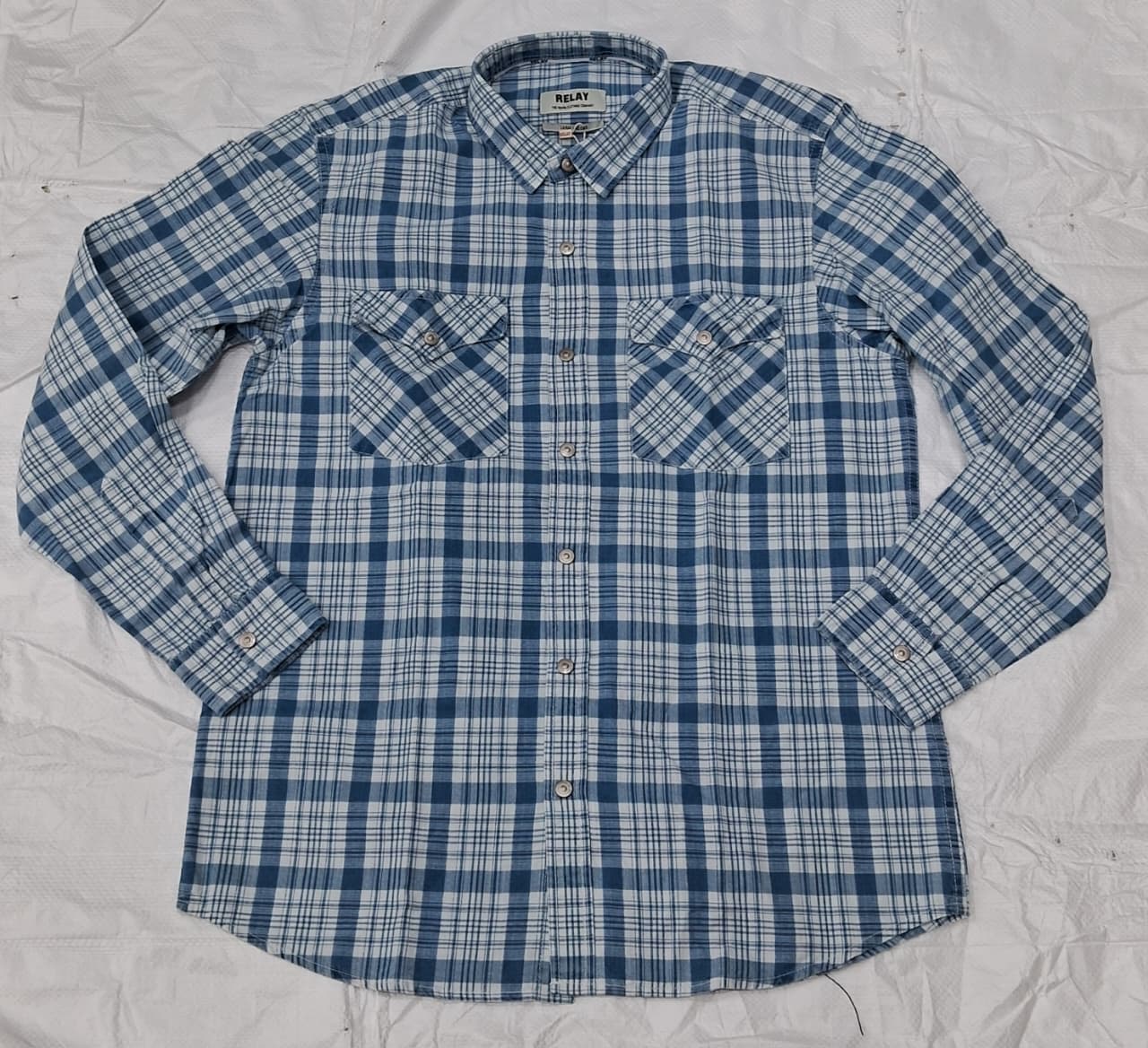
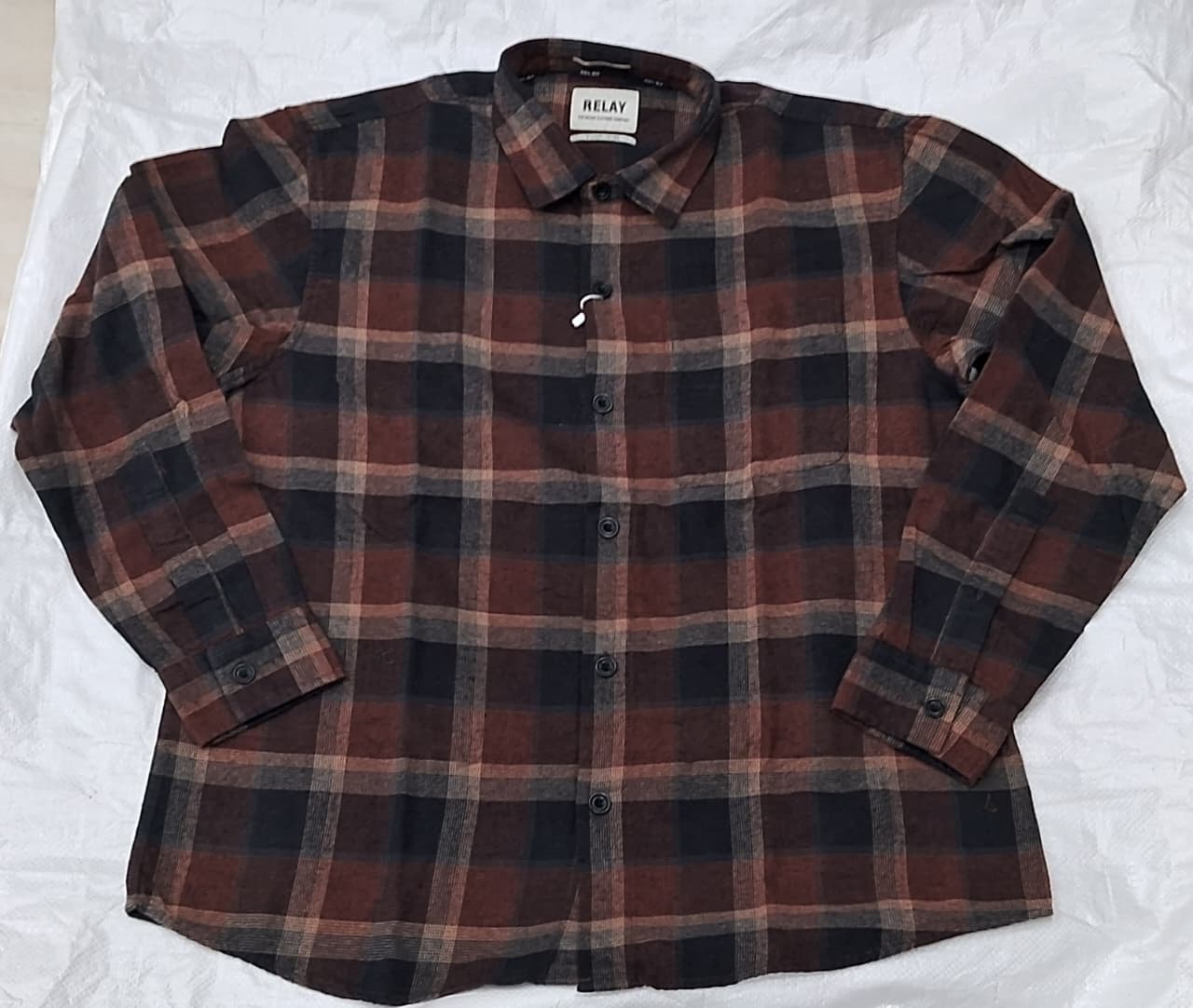
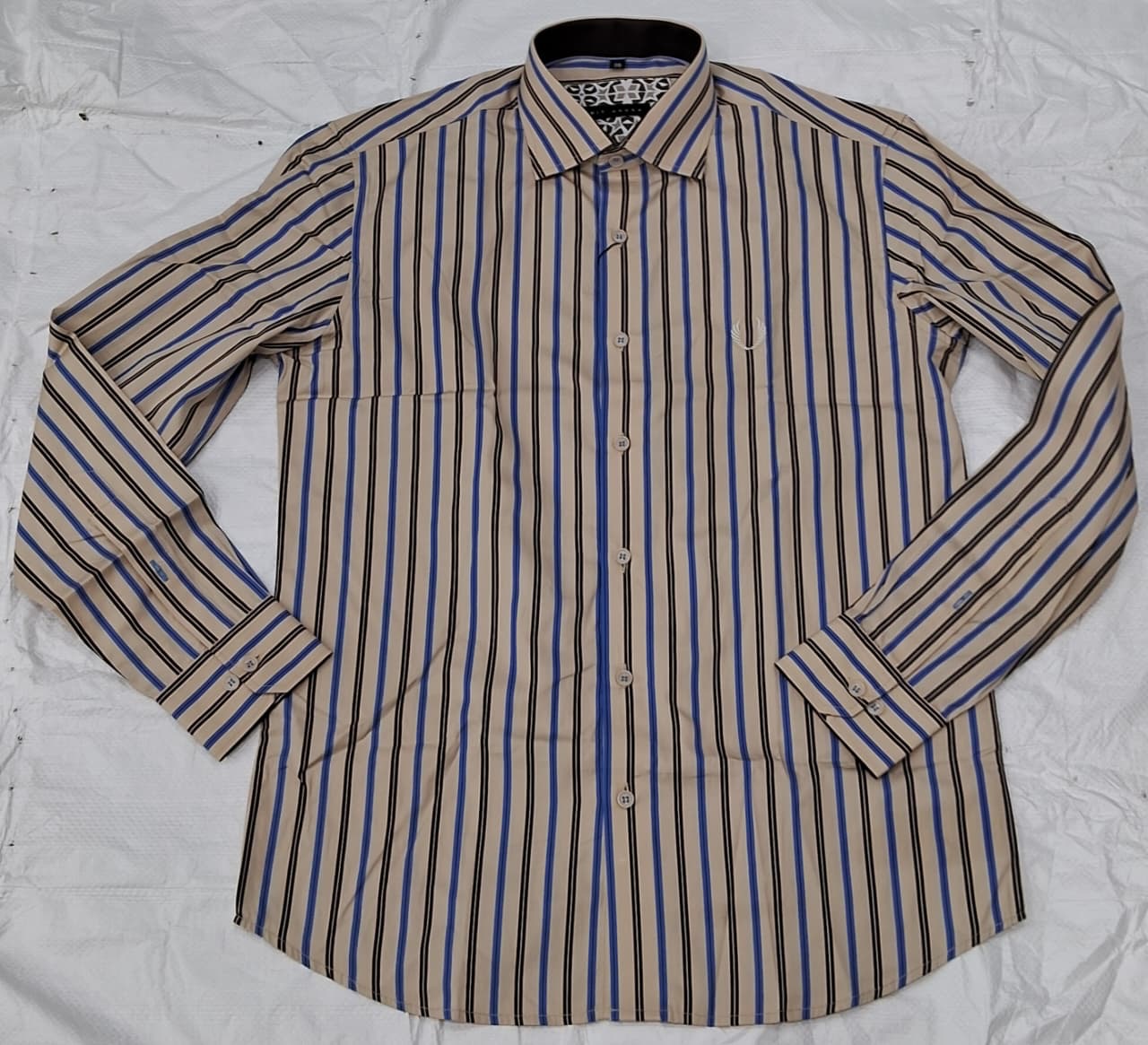
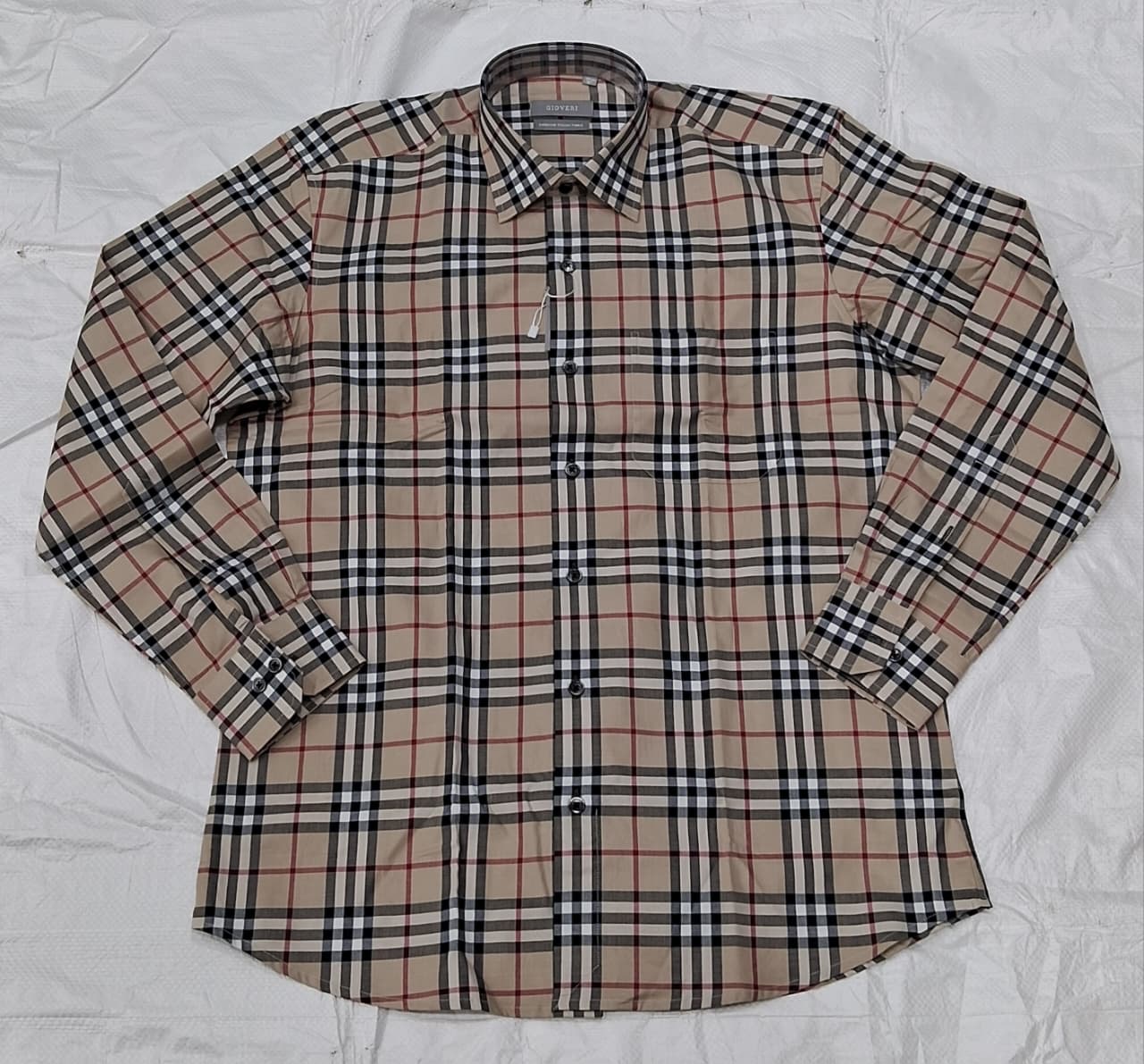
In conservative offices, keep patterns small and low in contrast: pinstripes, fine Bengal stripes, micro checks. In business-casual settings, gingham, tattersall and windowpane checks are welcome. Large plaids and bold prints belong to weekends and relaxed Fridays.
When combining patterns — shirt with tie or jacket — vary the scale and keep one element plain.
Styling shirts with blazers
Choose a collar that stays under the lapels and matches their width. Keep the shirt lighter than the blazer. Plain shirts suit patterned jackets; patterned shirts suit plain jackets. Without a tie, choose a firmer collar or a button-down so it stands neatly.
Check the sleeves: around a centimetre of cuff should show beyond the jacket sleeve.
- Shirt lighter than the jacket
- Collar points tucked under lapels
- Cuff visible at the sleeve
- Two patterns of the same scale
Understanding formal and business-casual dressing
Formal business dress means a suit, a tie and a light, plain or finely striped shirt with a structured collar. Business casual relaxes each element: the tie is optional, the jacket may be unstructured or absent, and the shirt can be an oxford, a check or a softer colour — but it remains collared, pressed and usually tucked.
Business formal
- White or light blue, poplin or twill
- Point, semi-spread or spread collar
- Barrel or double cuffs
- Always tucked, tie worn
Business casual
- Checks, oxfords, soft colours
- Button-down or semi-spread collar
- Barrel cuffs, can be rolled
- Tucked; untucked only if cut short
Caring for formal shirts
Follow the care label above all. In general: unbutton fully before washing, wash with similar colours, avoid high heat in the dryer, and hang to dry on a shaped hanger. Iron while slightly damp, collar and cuffs first. Rotate shirts so each has time to rest, and remove collar stays before washing.
Maintaining a versatile office wardrobe
A dependable office wardrobe can be surprisingly small. Begin with a core and add to it gradually, replacing shirts as collars and cuffs wear rather than all at once.
- Two white shirts — one smooth poplin, one twill or textured.
- Two light blue shirts in different weaves.
- One or two fine stripes in blue or grey.
- One or two small checks for business-casual days.
- One richer solid — navy, burgundy or olive — for evenings.
Questions about a particular shirt?
Visit or contact Options Mall at Vile Parle Shopping Centre, V.M. Road, Vile Parle West.