White
Most formalThe universal base. Works with every suit, tie and trouser; the expected choice for the most formal occasions.

The Colour Language
Colour decides how formal a shirt feels, how it frames your face and how easily it pairs with the rest of your wardrobe. Pattern adds rhythm. Together they turn a handful of shirts into a working wardrobe.
The Palette
A guide to how each colour behaves in professional dress. Shades shown are indicative swatches, not specific products.
The universal base. Works with every suit, tie and trouser; the expected choice for the most formal occasions.
Slightly softer than white, flattering to most complexions and the most adaptable office colour.
A deep, sophisticated solid for contemporary offices and evenings. Pair with lighter trousers for contrast.
Pale grey is understated and modern; charcoal is dramatic. Both suit black and navy tailoring.
A long-standing business colour that adds warmth. Excellent with navy and grey suits.
Earthy and soft; best with navy, brown or olive trousers and brown leather.
Mint, lilac and lemon in soft, greyed versions bring freshness to hot-weather wardrobes.
Wine, olive, brown and teal: confident, best in creative settings and after hours.
How colour affects formality
Lighter and plainer is more formal; darker, brighter and more patterned is less so. This is a convention rather than a rule — a dark shirt under a dark suit can be very elegant at an evening event.
Beyond Blue
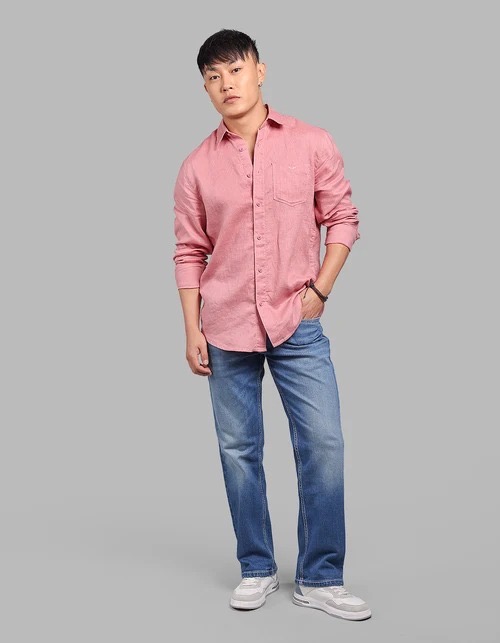
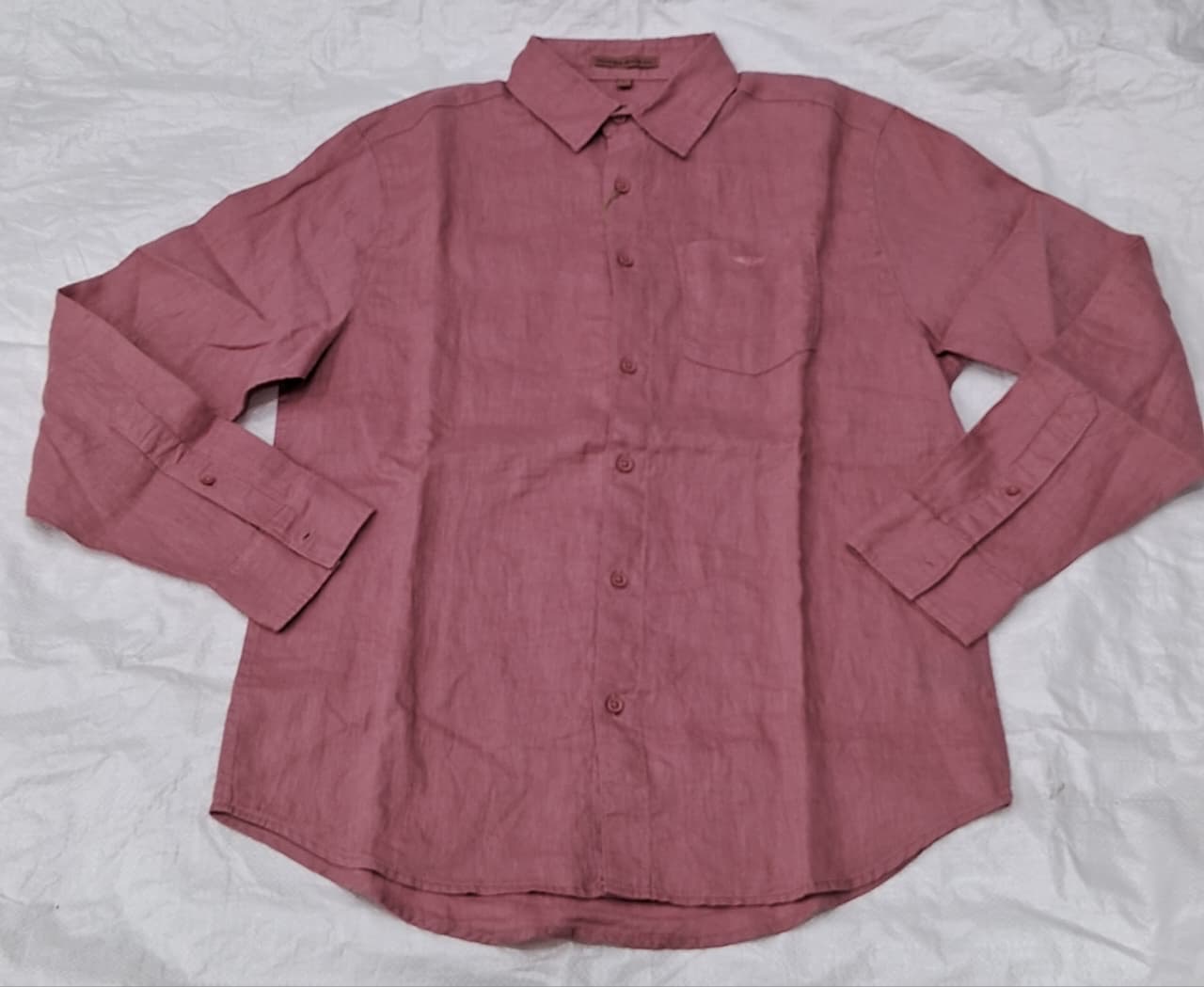
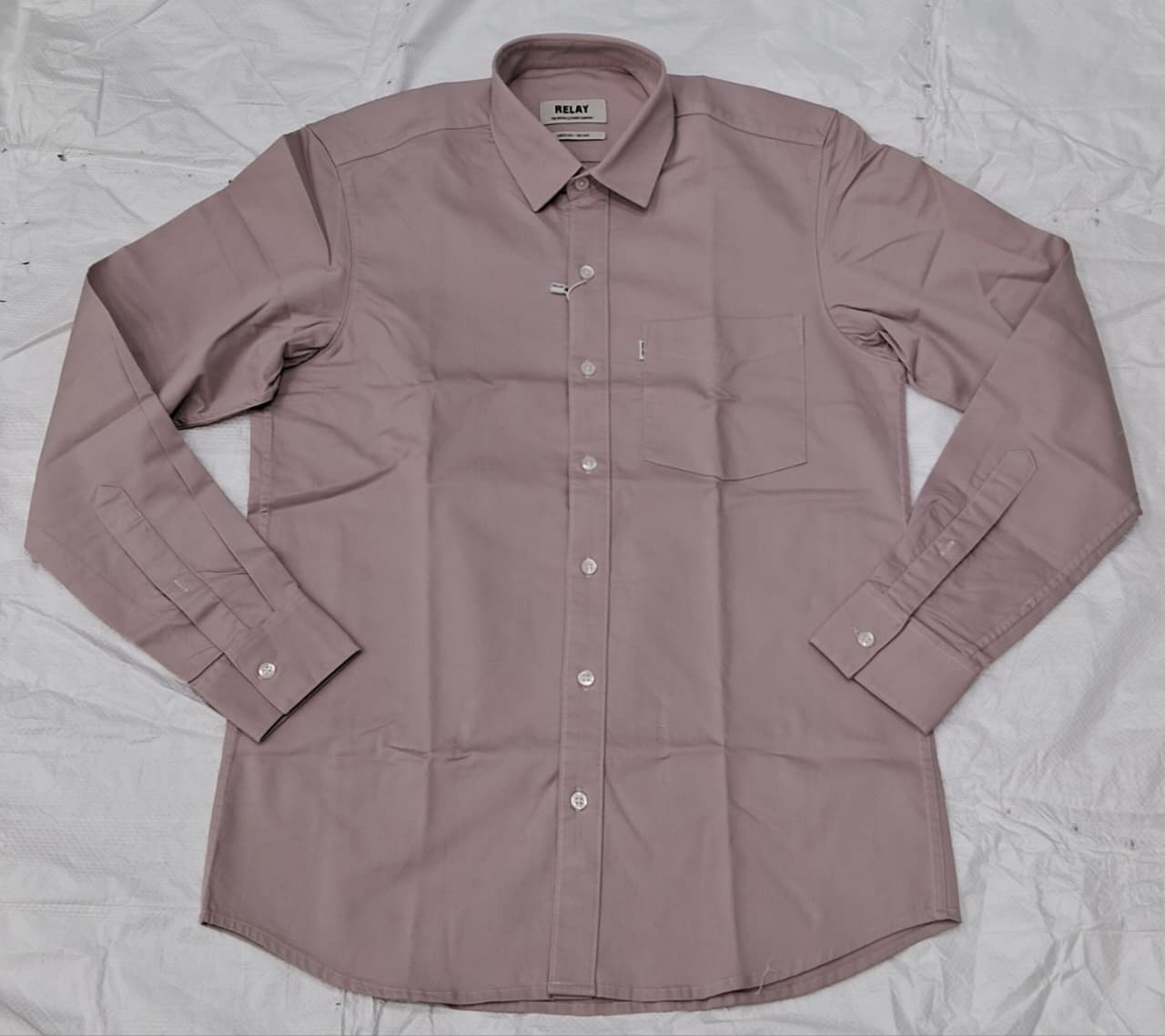
Pinks, mauves and dusty roses have been part of business dress for generations. In muted versions they add warmth to grey and navy suits, and look especially good against tanned and deeper skin tones. Mauve and lilac are cooler alternatives that pair well with charcoal.
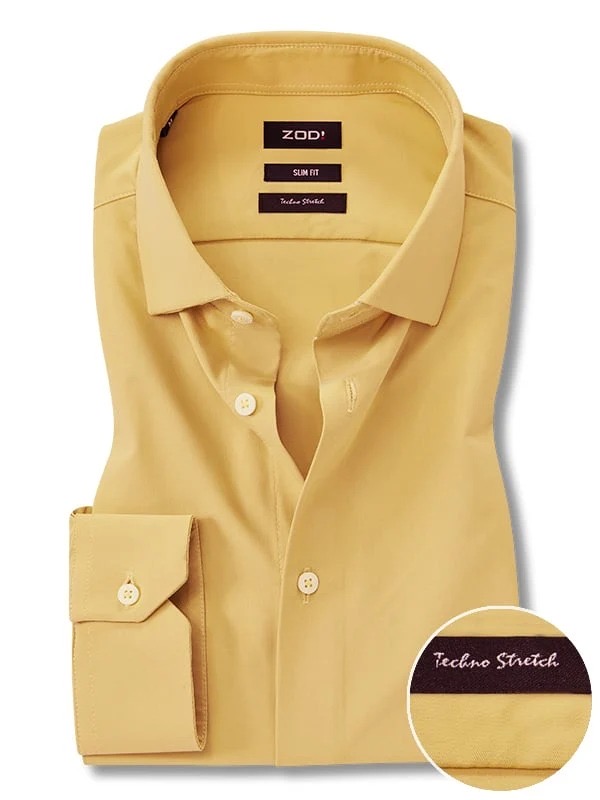
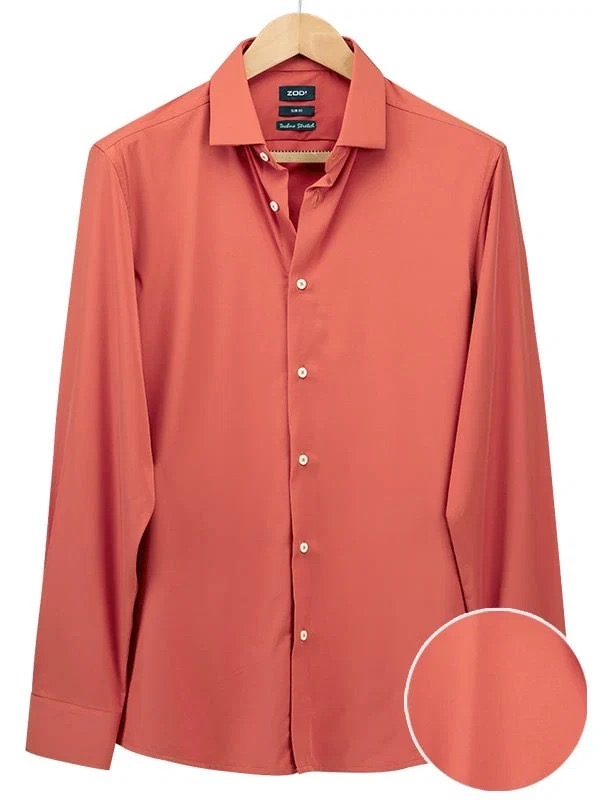
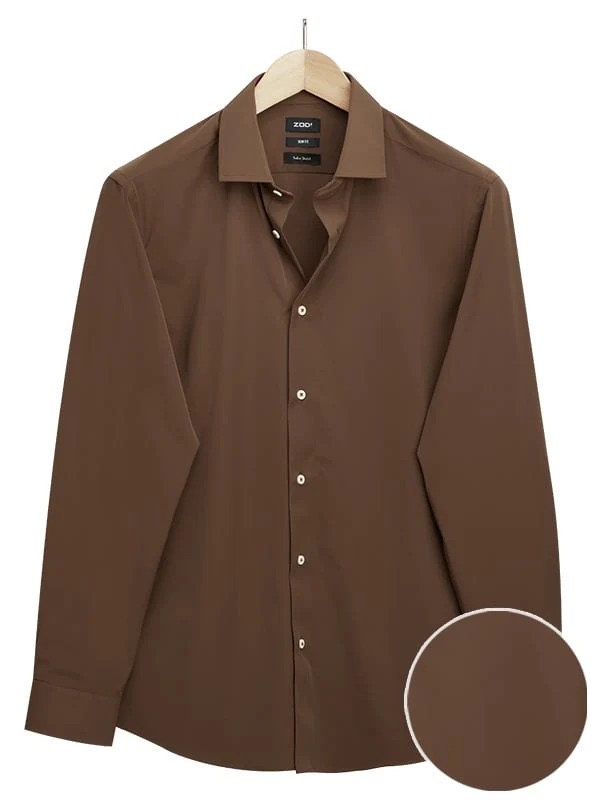
Earth tones — beige, sand, camel, chocolate — belong to relaxed and creative settings. Brighter colours such as coral or mustard are best kept for smart-casual and festive occasions; worn to the office, they work best alone with neutral trousers and no other strong colour.
The Patterns
Pattern scale is the key. Small, low-contrast patterns read as texture and remain formal; larger, high-contrast patterns are bolder and more casual.
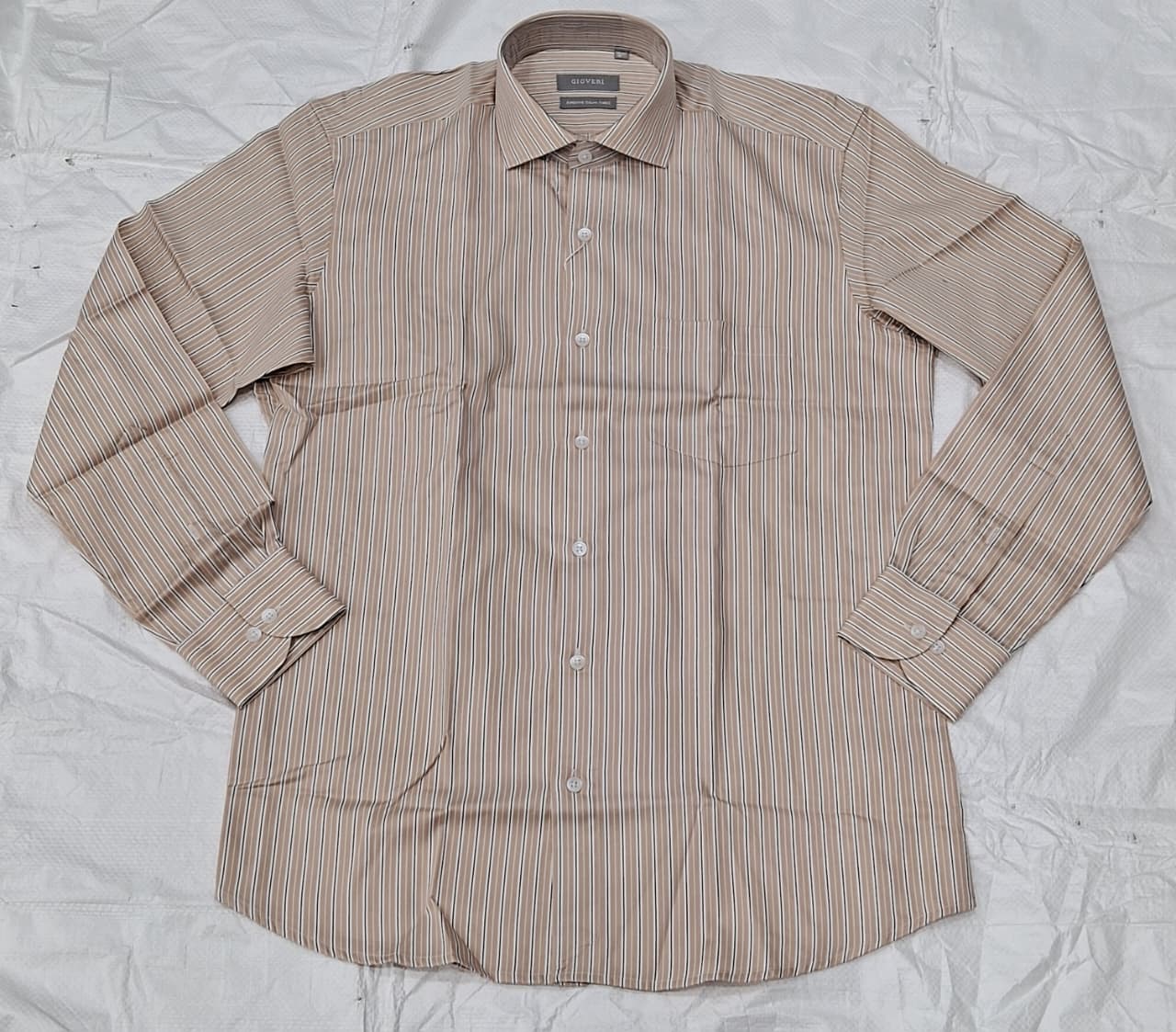
Fine, tone-on-tone stripes lengthen the figure and stay formal. They work with solid ties and suits.
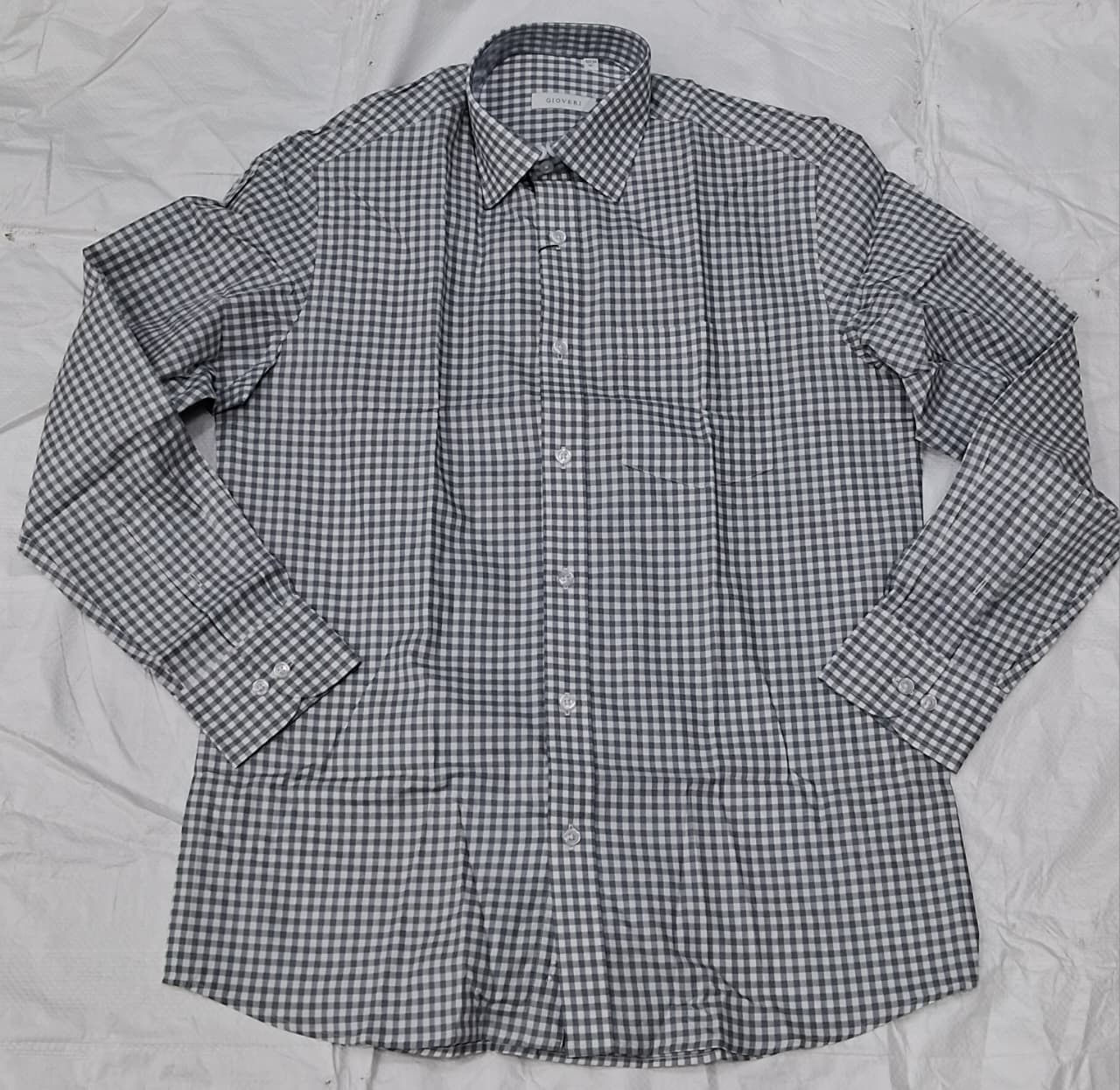
An even two-colour check. In small scales and quiet colours it is a business-casual staple.
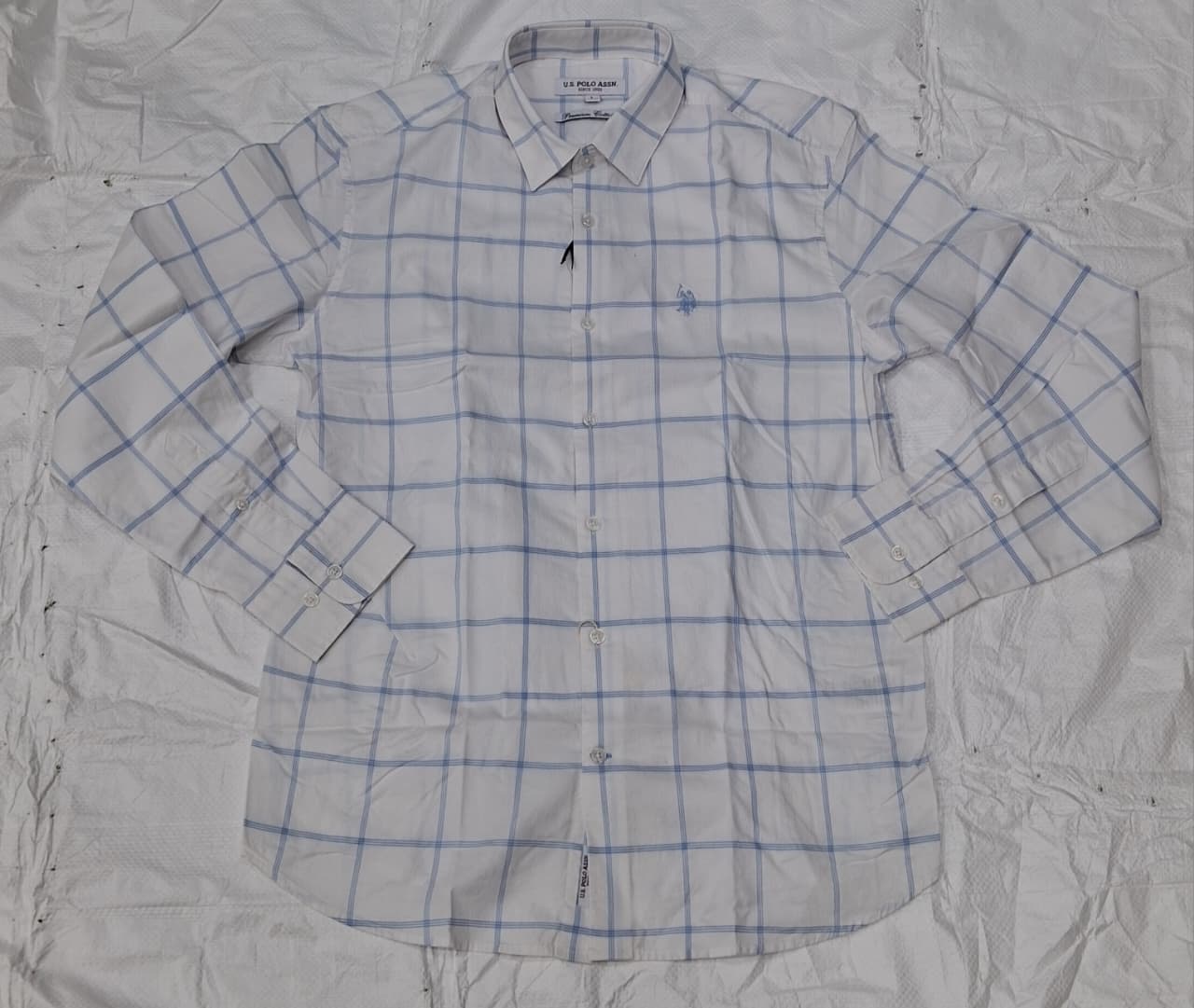
Thin lines forming large squares on a light ground — airy and refined.
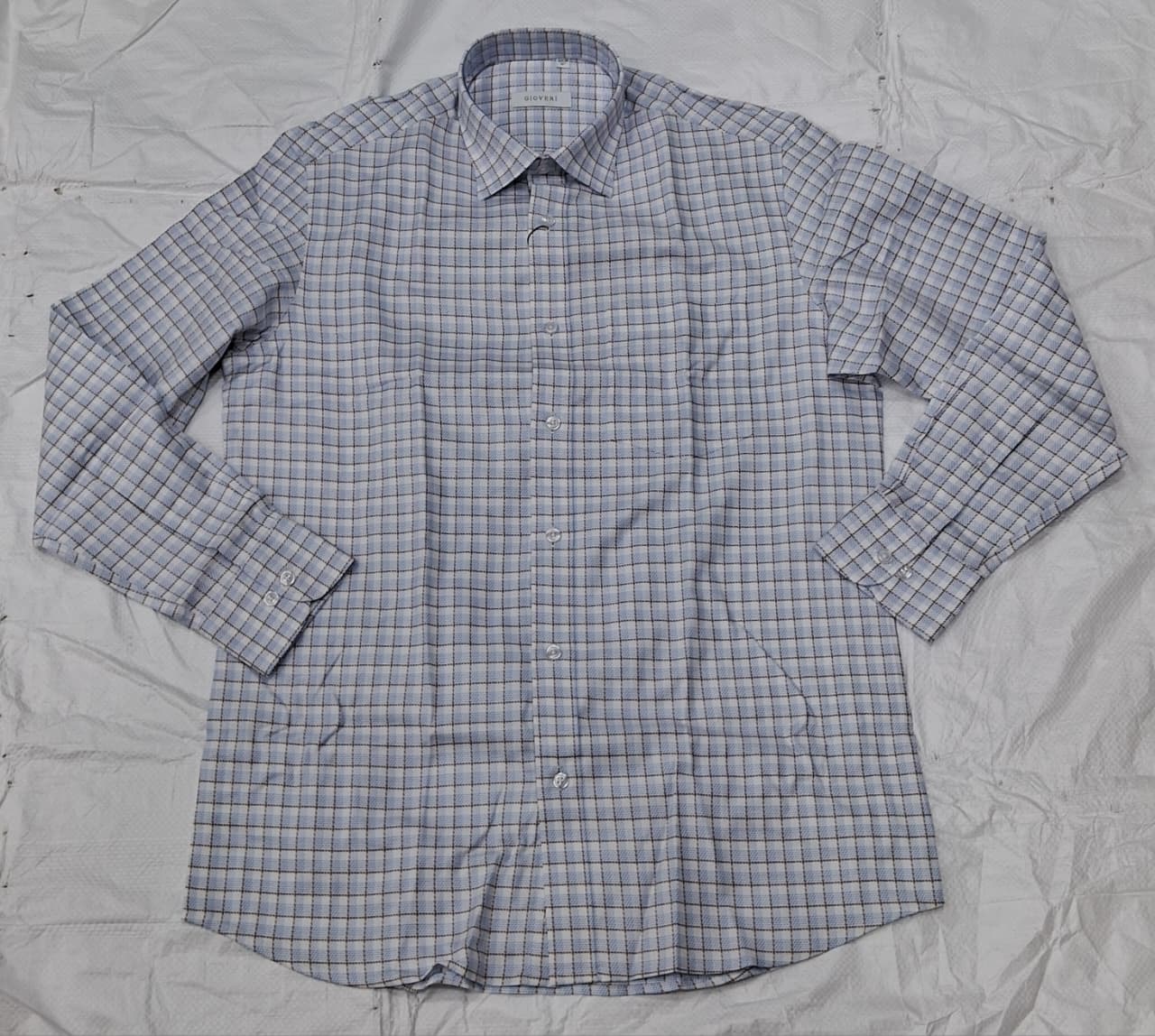
So small they read as a solid at a distance. Ideal for adding interest in conservative offices.
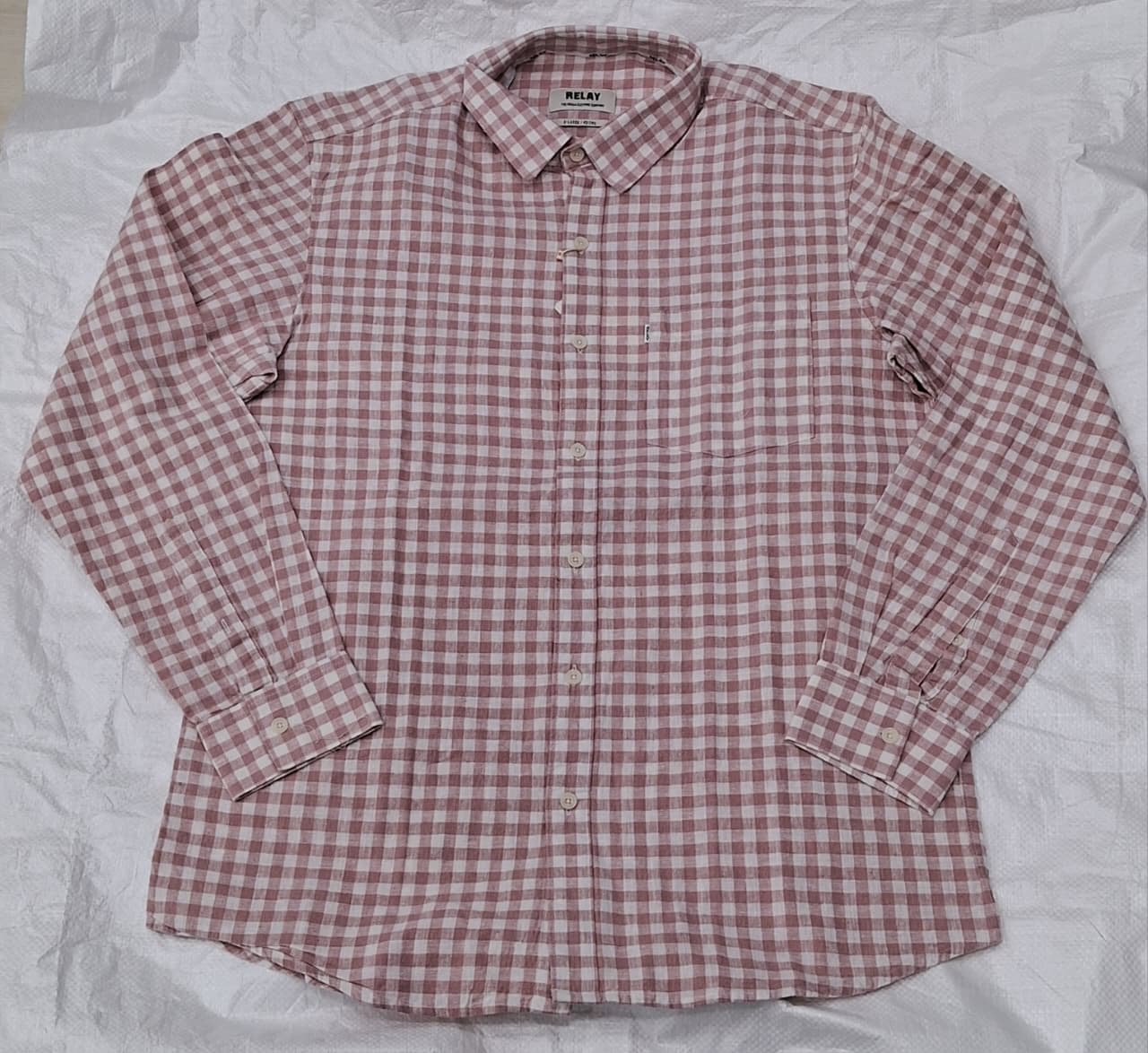
Pink, red or green checks on white soften a look and suit relaxed days and travel.
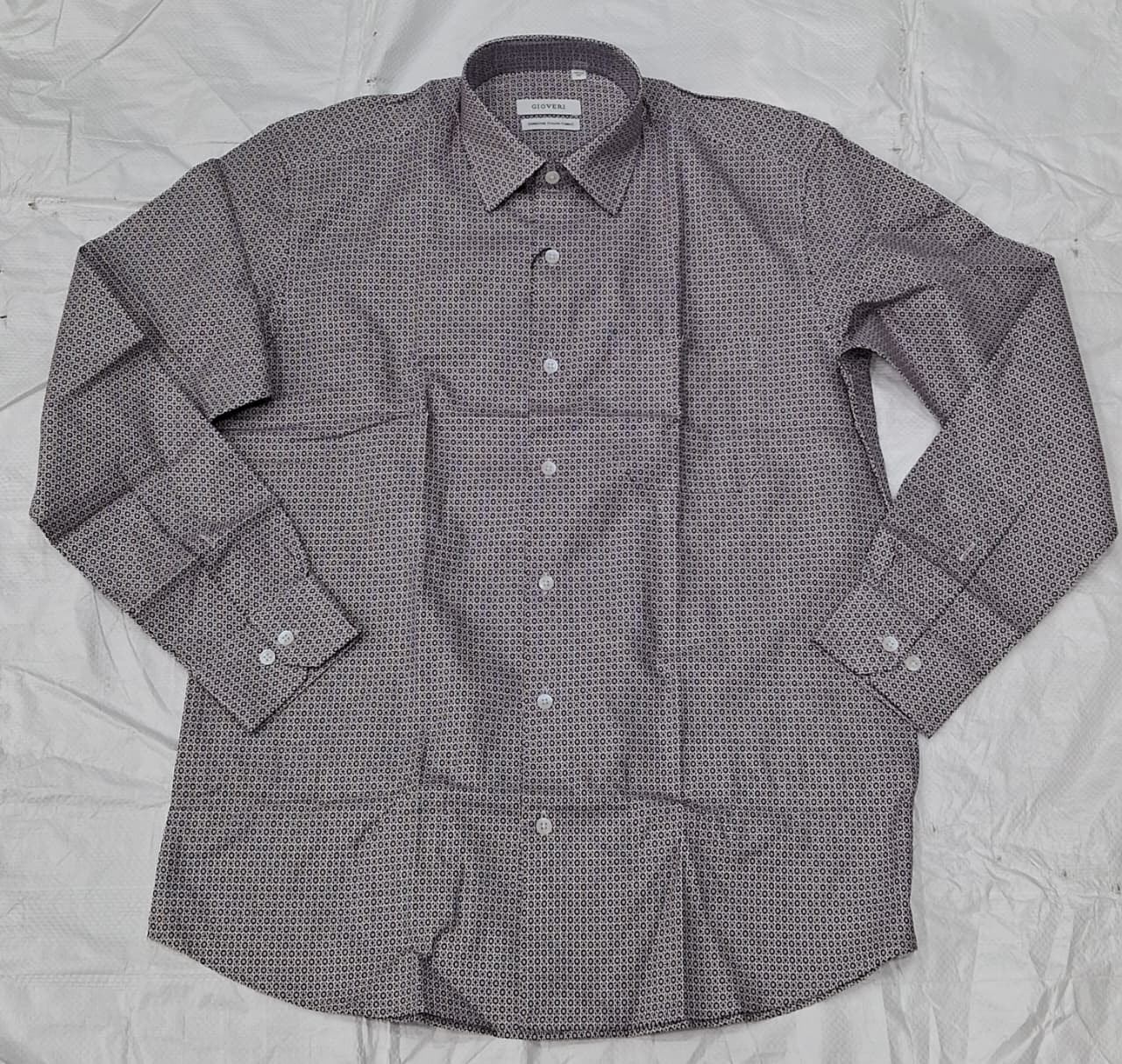
Tiny geometric or dobby motifs. Pair with plain ties or wear open-necked.
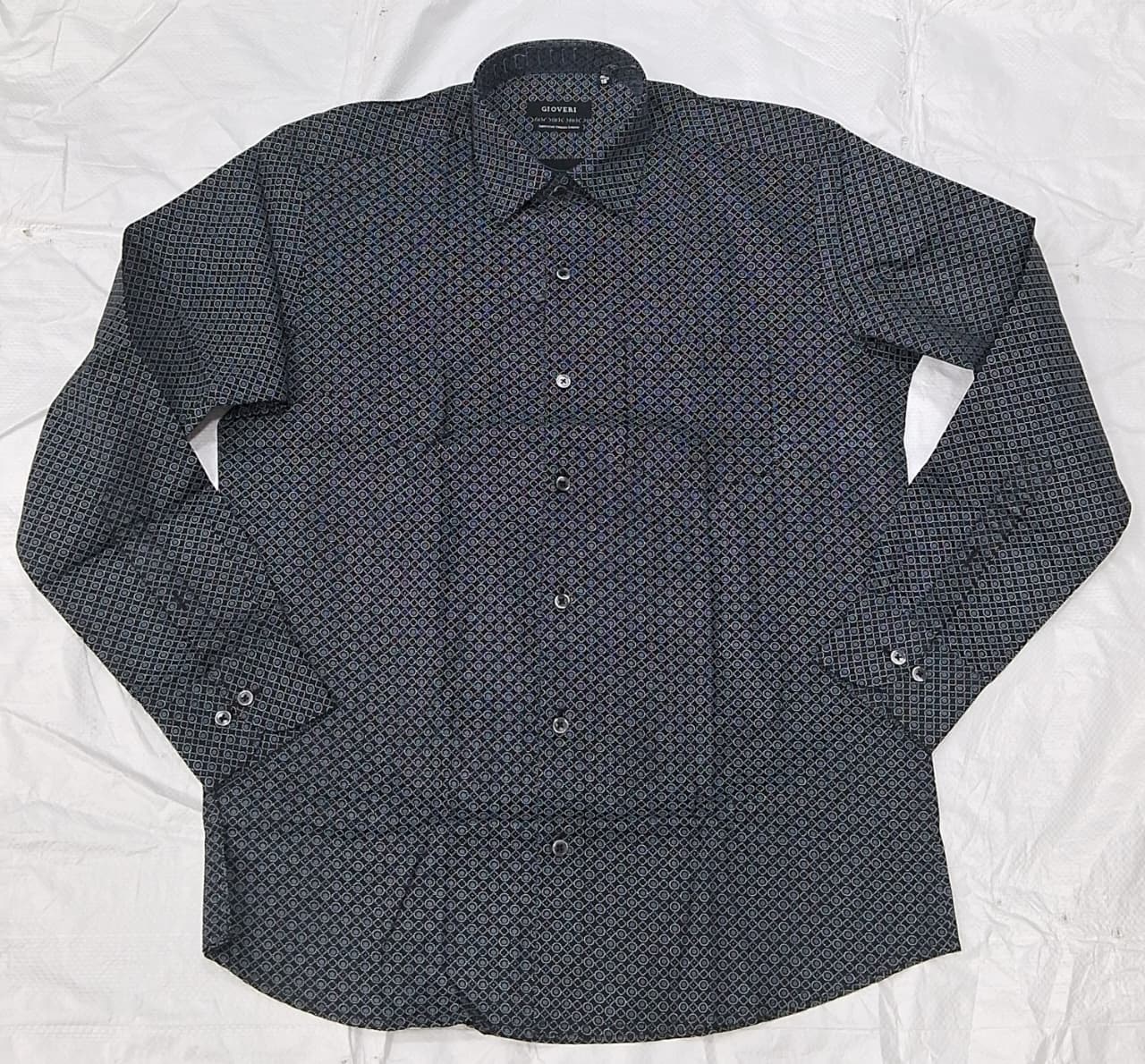
Fine dot and foulard prints bring character; keep the rest of the outfit plain.
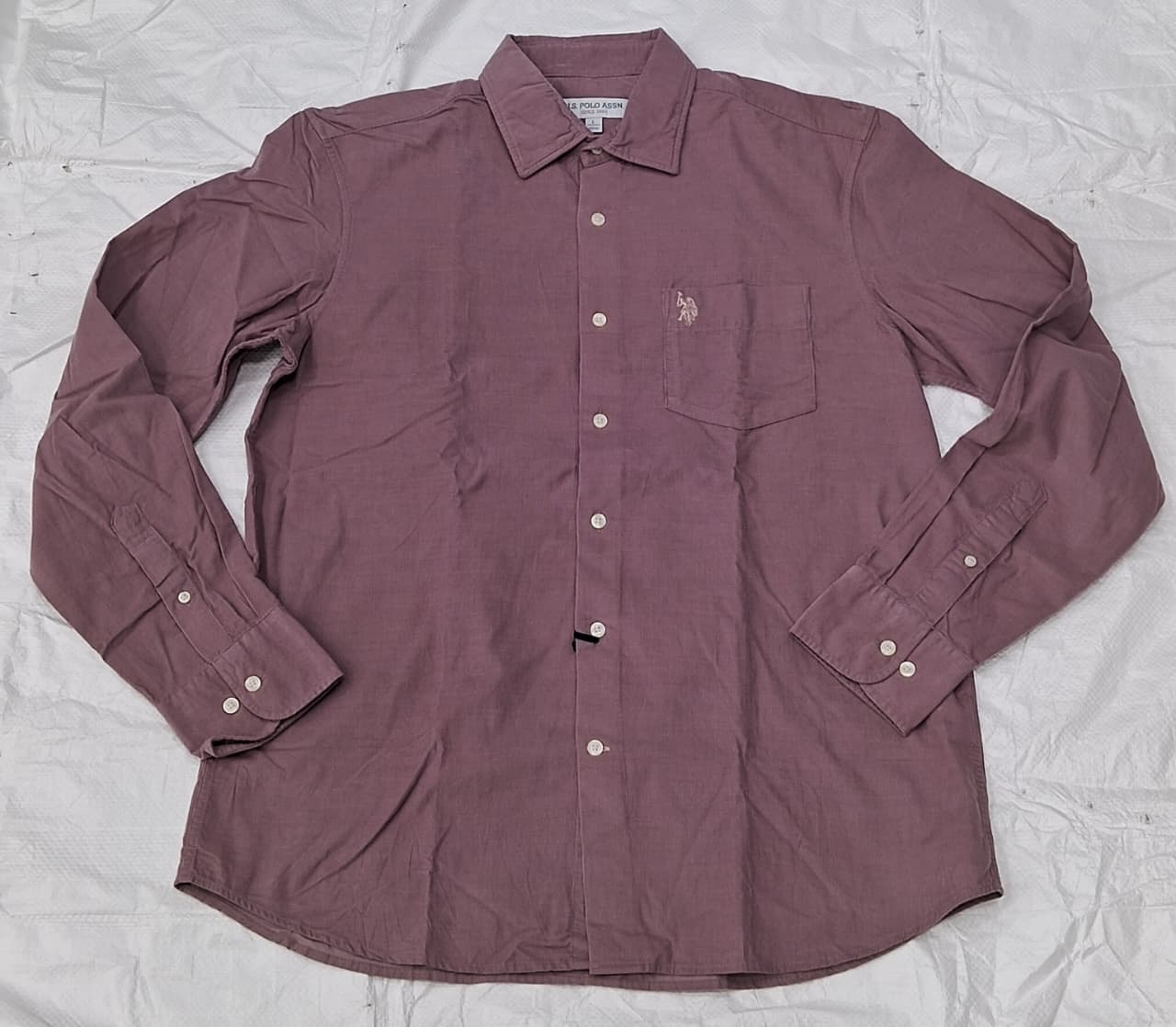
A solid with a woven texture offers depth without any pattern at all.
Coordination
Choose a trouser, shoe or jacket to see the shirt colours that work best with it.
Sharp, formal, evening-friendly.
Black trousers create strong contrast. White and pale grey look clean and modern; cool colours suit black better than warm ones. Wear black shoes and belt.
Use with care: Brown shoes and warm beige shirts tend to clash with black.
A businesslike neutral.
Charcoal flatters almost every light shirt and reads more formal than navy. Pastels look especially refined against it. Black or dark brown shoes both work.
Use with care: Mid-grey shirts can look flat; choose lighter or stronger contrast.
Lighter, easy-going business.
Mid and light grey trousers pair beautifully with blue shirts and darker solids such as navy. A good choice for warmer days and smart-casual offices.
Use with care: Shirts in the same grey tone lack definition.
Warm and relaxed.
Beige and stone trousers suit blue and white shirts for a fresh, summery look, or navy and olive for depth. Pair with brown leather shoes and belt.
Use with care: Beige shirts with beige trousers can look washed out without a contrasting jacket.
Warmth at the feet.
Brown shoes suit navy, grey, beige and olive trousers, and complement blue, white and warm-toned shirts. Match the belt to the shoe.
Use with care: Traditionally, brown is avoided with black trousers and for the most formal evening events.
Layering with a jacket.
Under a jacket, the shirt should usually be lighter than the cloth. Plain or finely patterned shirts work with patterned jackets; bolder shirts need plain jackets.
Use with care: Avoid matching pattern scales — a fine-check shirt under a fine-check jacket shimmers.
Most professional wardrobes rest on a few light, versatile shirts. Stripes, checks and warmer colours give them variety.